

Can Keratoconus Cause Blindness?

Can Keratoconus Cause Blindness?

Can Keratoconus Cause Blindness?

Can Keratoconus Cause Blindness?

Can Keratoconus Cause Blindness?

Can Keratoconus Cause Blindness?

Can Keratoconus Cause Blindness?

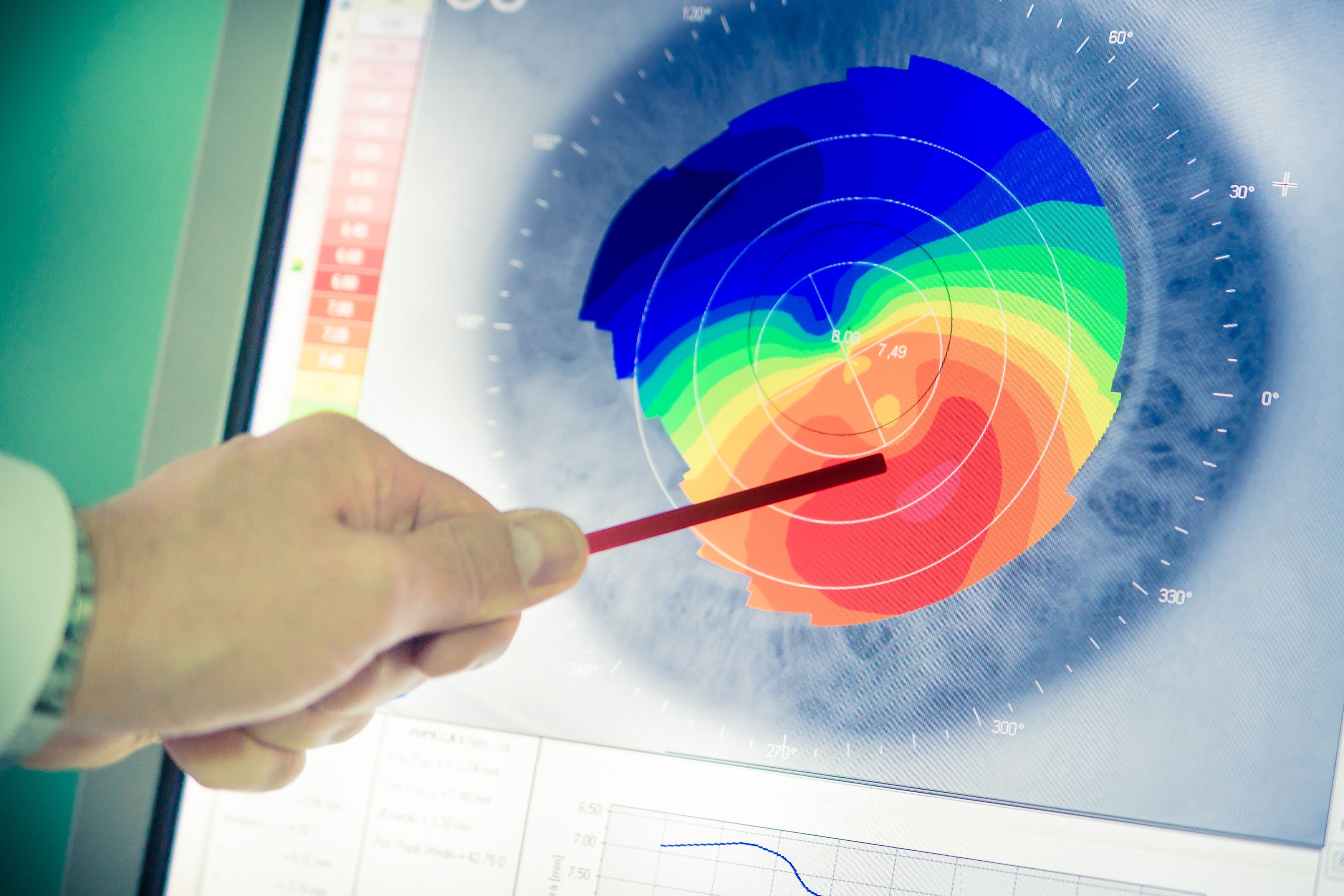
Keratoconus can feel alarming, especially when vision becomes blurry, distorted, or harder to correct with regular glasses. While keratoconus can cause significant vision changes, it does not usually lead to complete blindness. With early diagnosis and the right treatment plan, many patients in Apex, NC can protect their vision, improve clarity, and slow the condition’s progression.
What Happens to Vision with Keratoconus?
Keratoconus often begins gradually. At first, you may notice mild blur, frequent prescription changes, glare, or difficulty seeing clearly at night. Over time, glasses may no longer provide the same level of clarity because the cornea becomes more irregular in shape.
This does not mean vision loss is unavoidable. With the right eye care, many people with keratoconus are able to maintain functional vision and improve clarity with specialty contact lenses or other treatment options.
Can Keratoconus Lead to Severe Vision Loss?
Keratoconus can lead to severe vision loss if it becomes advanced or is left untreated. In more serious cases, corneal scarring may develop, and the cornea may become too irregular for standard glasses or soft contact lenses to correct.
Even then, treatment options may still be available. Some patients benefit from specialty contact lenses, while others may need surgical care such as corneal cross-linking or a corneal transplant. The goal is to slow progression, improve vision, and preserve eye health as much as possible.
Signs Keratoconus May Be Getting Worse
Because keratoconus can progress over time, it is important to pay attention to changes in your vision. An eye exam can help determine whether your symptoms are related to keratoconus or another eye condition.
Common signs may include:
Blurry or distorted vision
Frequent changes in your glasses or contact lens prescription
Increased glare or halos around lights
Difficulty driving at night
Eye strain or headaches from unclear vision
Vision that seems worse in one eye than the other
If you notice these symptoms, scheduling an eye exam in Apex, NC can help identify the cause and guide the next step.
The Importance Early Diagnosis
Early detection is one of the most important parts of keratoconus care. When keratoconus is found sooner, your eye doctor can monitor changes in the cornea and recommend treatment before the condition becomes more advanced.
Advanced diagnostic testing can help evaluate the shape and health of the cornea in detail. This is especially helpful because keratoconus may not always be obvious during the earliest stages. Regular monitoring allows your eye care team to track progression and adjust your care plan as needed.
Treatment Options for Keratoconus
Treatment depends on the severity of the condition. Mild cases may be managed with glasses or soft contact lenses, while more advanced cases may require specialty lenses designed to fit an irregular cornea. These can include rigid gas permeable lenses, hybrid lenses, or scleral lenses.
Corneal cross-linking may also be recommended to help strengthen the cornea and slow progression. In advanced cases with significant scarring or thinning, a corneal transplant may be considered. Your treatment plan should be based on your corneal health, vision needs, and how quickly the condition is changing.
Protecting Your Vision with the Eye Doctor in Holly Springs, NC
Keratoconus can be concerning, but it does not have to mean permanent loss of sight. The best step is to be proactive. If your vision is changing often, your glasses no longer seem to help, or you have been told you may have keratoconus, a comprehensive eye exam can help you understand your options.
Contact Clarity Vision for keratoconus evaluation and personalized eye care. Visit our office in Apex, North Carolina, or call (919) 367-2832 to book an appointment today.


Insurances We Accept
Call your local Clarity Vision office to make sure your preferred location accepts your insurance as acceptance can vary per office


Contact Us
Let’s talk!
© 2026 Clarity Vision - All Rights Reserved
Accessibility Statement - Privacy Policy - Sitemap
Accessibility Statement - Privacy Policy - Sitemap
powered by 
