

Cataract Screenings: What Happens During the Eye Exam?

Cataract Screenings: What Happens During the Eye Exam?

Cataract Screenings: What Happens During the Eye Exam?

Cataract Screenings: What Happens During the Eye Exam?

Cataract Screenings: What Happens During the Eye Exam?

Cataract Screenings: What Happens During the Eye Exam?

Cataract Screenings: What Happens During the Eye Exam?

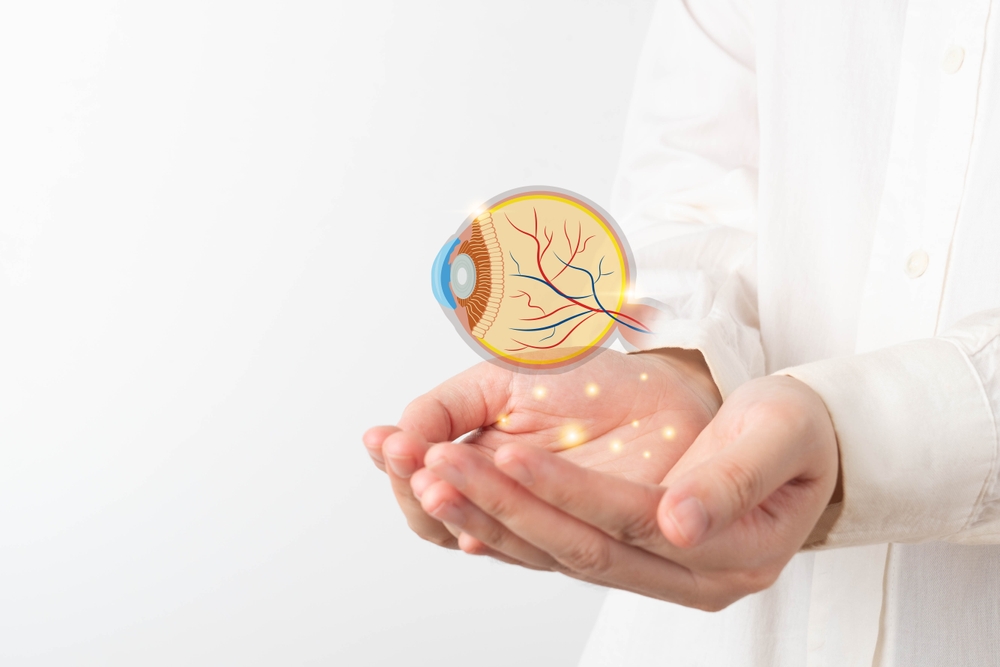
Cataracts are one of the most common age-related vision conditions, often developing slowly and without obvious early symptoms. At Clarity Vision, cataract screenings in Smithfield, NC are designed to detect early lens changes, monitor your eye health, and help you maintain clear, comfortable vision for years to come.
Understanding Cataracts
A cataract occurs when the natural lens inside your eye becomes cloudy. The lens is responsible for focusing light onto the retina, allowing you to see clearly. When it becomes clouded, you may experience:
Blurry or hazy vision
Increased sensitivity to light
Difficulty seeing at night
Faded or yellowed colors
Frequent changes in your eyeglass prescription
Because cataracts typically develop slowly, many people don’t realize their vision has changed until daily activities become more difficult. Regular cataract screenings help detect these changes early.
Reviewing Your Medical and Vision History
Your exam will begin with a discussion about your medical history and any vision concerns. Your eye doctor will ask about:
Changes in your vision
Glare or halos around lights
Trouble driving at night
Family history of cataracts
Current medications and health conditions
Certain health conditions, such as diabetes, and long-term steroid use can increase the risk of developing cataracts. Sharing this information helps your provider better assess your risk.
Visual Acuity Testing
Next, your doctor will measure how clearly you can see at various distances. This is the familiar “eye chart” portion of the exam. While visual acuity testing does not diagnose cataracts on its own, it helps determine how much your vision may be affected. If your vision has changed significantly and cannot be fully corrected with a new prescription, it may indicate the presence of cataracts.
Slit Lamp Examination
One of the most important parts of cataract screenings in Smithfield, NC is the slit lamp exam. This specialized microscope allows your eye doctor to closely examine the structures at the front of your eye, including:
The cornea
The iris
The lens
With bright, focused light, the doctor can detect even subtle clouding in the lens. This test is painless and only takes a few minutes, but it provides valuable insight into the presence and progression of cataracts.
Dilated Eye Exam
To get a complete view of your lens and retina, your eyes may be dilated using special drops. Dilation widens your pupils, allowing your provider to examine the internal structures of your eyes more thoroughly.
In addition to dilation, your doctor may perform an Optomap® retinal exam. This advanced imaging technology captures a wide-field digital image of your retina, providing a detailed view of the back of the eye without the need for extensive dilation in some cases. Optomap imaging allows for early detection of retinal concerns and helps monitor changes over time.
During this portion of the exam, your doctor will assess:
The severity and location of any cataracts
Overall lens clarity
Retinal health
Signs of other eye conditions
Determining the Next Steps
If cataracts are detected, your eye doctor will explain the stage and whether treatment is needed. In the early stages, stronger lighting, updated glasses, or anti-glare lenses may help manage symptoms.
Cataract surgery is typically recommended only when vision loss begins to interfere with daily activities such as driving, reading, or working. The good news is that cataract surgery is a safe and highly effective procedure with excellent outcomes for most patients. Your eye doctor at Clarity Vision will guide you through your options and monitor changes over time.
Schedule Your Cataract Screening in Smithfield, NC
Cataract screenings are a simple yet essential part of comprehensive eye care. From reviewing your medical history to performing detailed lens evaluations, each step of the exam is designed to detect changes early and protect your eyesight. With modern diagnostic tools and personalized care, the team at Clarity Vision is committed to helping you see clearly at every stage of life.
Protect your vision with professional cataract screenings at Clarity Vision. Visit our office in Smithfield, North Carolina, or call (919) 737-7200 to book an appointment today.


Insurances We Accept
Call your local Clarity Vision office to make sure your preferred location accepts your insurance as acceptance can vary per office


Contact Us
Let’s talk!
© 2026 Clarity Vision - All Rights Reserved
Accessibility Statement - Privacy Policy - Sitemap
Accessibility Statement - Privacy Policy - Sitemap
powered by 
