

Diagnosed With Diabetes? 5 Reasons to Get an Eye Exam Now

Diagnosed With Diabetes? 5 Reasons to Get an Eye Exam Now

Diagnosed With Diabetes? 5 Reasons to Get an Eye Exam Now

Diagnosed With Diabetes? 5 Reasons to Get an Eye Exam Now

Diagnosed With Diabetes? 5 Reasons to Get an Eye Exam Now

Diagnosed With Diabetes? 5 Reasons to Get an Eye Exam Now

Diagnosed With Diabetes? 5 Reasons to Get an Eye Exam Now

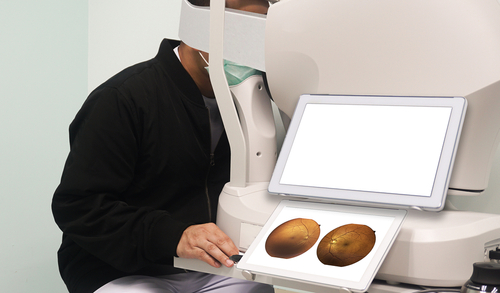
A diabetes diagnosis affects more than blood sugar. Over time, elevated glucose levels can damage the small blood vessels throughout the body, including those that support the retina. Scheduling a diabetic eye exam in Williamston is an important step toward protecting your vision and establishing a clear picture of your current eye health.
Diabetic eye disease often develops without noticeable early symptoms. A comprehensive dilated eye exam allows our eye doctor to identify changes before they begin interfering with your sight.
Why Your Eye Exam Should Be a Priority
Here are five reasons to schedule an eye exam after being diagnosed with diabetes:
Diabetic retinopathy can develop silently: The early stages often cause no pain or obvious vision changes. Waiting until symptoms appear could allow the condition to progress.
Early detection supports timely treatment: A dilated eye exam helps detect damaged or leaking retinal blood vessels before significant vision loss occurs.
Your doctor can establish a baseline: Initial retinal findings provide a reference point that helps your eye doctor track changes during future exams.
Blood sugar changes can affect your vision: High or fluctuating blood sugar can temporarily alter the shape of the eye’s natural lens, resulting in blurry or inconsistent vision.
Regular exams protect your long-term eye health: Ongoing monitoring helps identify diabetic retinopathy, diabetic macular edema, cataracts, glaucoma, and other concerns associated with diabetes.
When Should You Schedule a Diabetic Eye Exam?
Adults with type 2 diabetes should generally receive a dilated eye exam soon after diagnosis. People with type 1 diabetes are typically advised to have their first exam within five years of diagnosis. Our eye doctor will recommend an appropriate follow-up schedule based on your health history and exam results. Many people with diabetes need routine eye exams every year, although more frequent appointments may be necessary when retinal changes are present.
What Happens During the Exam?
A diabetic eye exam evaluates more than visual clarity. Your eye doctor will check your prescription, examine the front and back of your eyes, and carefully evaluate the retina and optic nerve. Optomap retinal imaging may also be used to capture a wide, detailed view of the retina and help identify swelling, bleeding, abnormal blood vessels, or other signs of diabetes-related eye disease.
Tell your eye doctor about your diabetes diagnosis, medications, recent A1C results, and any vision changes you have experienced. Sudden blurry vision, new floaters, flashes of light, dark areas, or missing areas in your vision should be evaluated promptly.
Protect your sight by scheduling a diabetic eye exam with Clarity Vision. Visit our office in Williamston, North Carolina, or call (252) 792-2250 to book an appointment today.


Insurances We Accept
Call your local Clarity Vision office to make sure your preferred location accepts your insurance as acceptance can vary per office


Contact Us
Let’s talk!
© 2026 Clarity Vision - All Rights Reserved
Accessibility Statement - Privacy Policy - Sitemap
Accessibility Statement - Privacy Policy - Sitemap
powered by 
