

Do Dry Eye Symptoms Get Worse in the Summer?

Do Dry Eye Symptoms Get Worse in the Summer?

Do Dry Eye Symptoms Get Worse in the Summer?

Do Dry Eye Symptoms Get Worse in the Summer?

Do Dry Eye Symptoms Get Worse in the Summer?

Do Dry Eye Symptoms Get Worse in the Summer?

Do Dry Eye Symptoms Get Worse in the Summer?

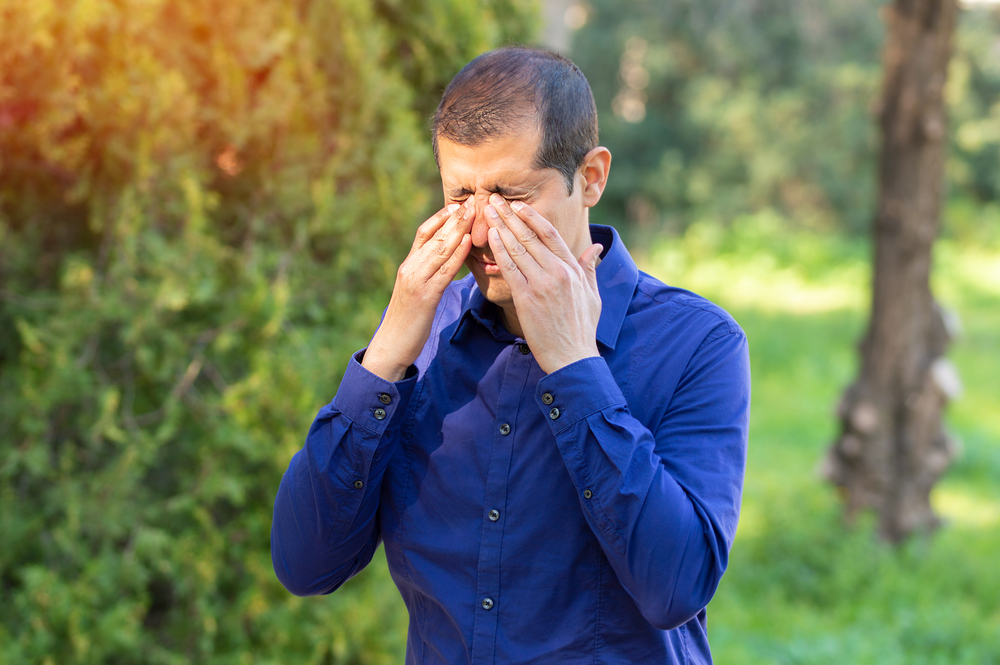
Summer brings longer days and more time outdoors, but it can also intensify dry eye symptoms. Heat, sun exposure, wind, air conditioning, and seasonal allergens may disrupt the tear film that keeps your eyes comfortable. For people already managing dry eye disease, these environmental factors can lead to more frequent irritation, redness, and blurry vision.
Why Summer Weather Can Irritate Your Eyes
Your tears contain oil, water, and mucus layers that work together to protect the surface of your eyes. When this balance is disrupted, tears may evaporate too quickly or fail to provide enough moisture.
High temperatures and dry outdoor air can increase tear evaporation. Wind from outdoor activities, fans, and open car windows can make the problem worse. Indoors, air conditioning removes moisture from the air and may direct a steady stream of cool air toward your face.
People who wear contact lenses may notice that their lenses feel less comfortable during long summer days. Dehydration can also reduce the moisture available throughout the body, including the eyes.
Common Summer Dry Eye Triggers
Several seasonal habits and environmental conditions can worsen dry eye symptoms:
Extended time in direct sunlight or windy conditions
Air conditioning in homes, offices, and vehicles
Chlorine exposure from swimming pools
Smoke from grills, campfires, or outdoor gatherings
Increased pollen and seasonal allergens
Dehydration during hot weather
Longer periods of contact lens wear
More screen time during travel or indoor activities
Wearing wraparound sunglasses, staying hydrated, taking screen breaks, and avoiding direct airflow toward the eyes may provide temporary relief. However, ongoing symptoms should be evaluated by our eye doctor in Suffolk, VA.
When Dry Eye Is More Than Seasonal Irritation
Occasional discomfort may improve after leaving a dry or windy environment. Persistent burning, excessive watering, light sensitivity, fluctuating vision, or a gritty sensation may indicate chronic dry eye disease.
One common cause is meibomian gland dysfunction. These glands produce the oily layer of the tear film, which helps prevent tears from evaporating too quickly. When the glands become blocked or inflamed, standard artificial tears may not fully address the source of the problem.
A comprehensive dry eye evaluation helps determine whether symptoms are related to insufficient tear production, excessive evaporation, eyelid inflammation, or another eye health concern.
Treating Dry Eye at the Source
Treatment depends on the cause and severity of your symptoms. Some patients benefit from changes to their daily routine or preservative-free artificial tears. Others require advanced treatment to improve meibomian gland function and reduce inflammation.
OptiLight by Lumenis is a non-invasive intense pulsed light treatment designed to manage dry eye associated with meibomian gland dysfunction. Precisely controlled light is applied below the eyes to help decrease inflammation, support healthier gland function, and improve tear stability. Each treatment typically takes about 10 to 15 minutes. Our eye doctor will evaluate your symptoms, tear film, eyelids, and overall eye health to determine whether OptiLight or another dry eye treatment is appropriate.
Schedule a dry eye evaluation at Clarity Vision to find lasting relief from summer eye irritation. Visit our office in Suffolk, Virginia, or call (757) 638-2015 to book an appointment.


Insurances We Accept
Call your local Clarity Vision office to make sure your preferred location accepts your insurance as acceptance can vary per office


Contact Us
Let’s talk!
© 2026 Clarity Vision - All Rights Reserved
Accessibility Statement - Privacy Policy - Sitemap
Accessibility Statement - Privacy Policy - Sitemap
powered by 
