

Living With Cataracts: When Do You Need Surgery?

Living With Cataracts: When Do You Need Surgery?

Living With Cataracts: When Do You Need Surgery?

Living With Cataracts: When Do You Need Surgery?

Living With Cataracts: When Do You Need Surgery?

Living With Cataracts: When Do You Need Surgery?

Living With Cataracts: When Do You Need Surgery?

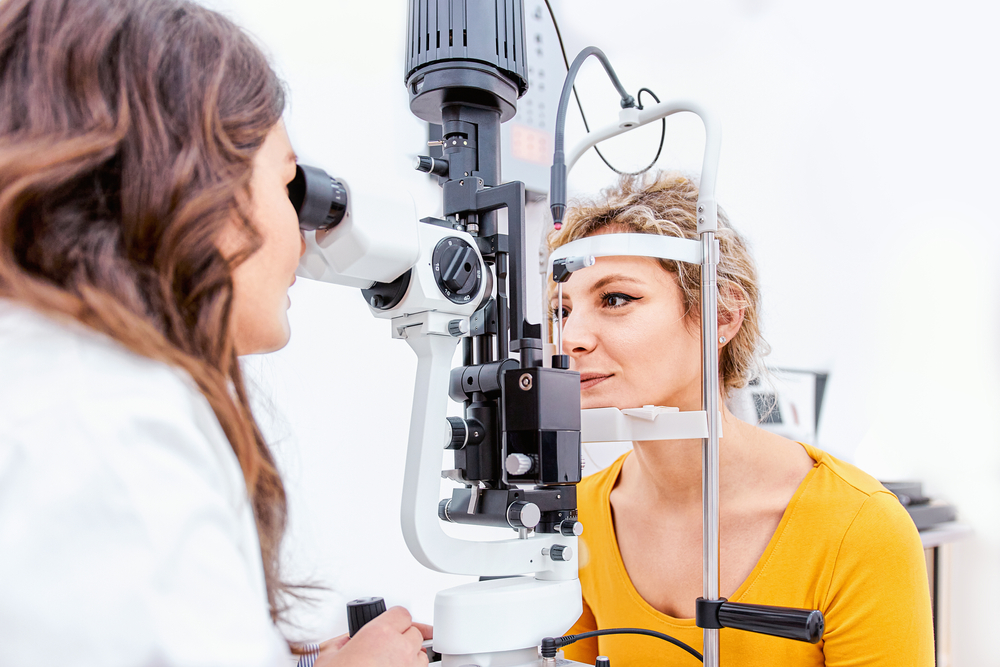
Cataracts are a common part of aging, but that does not mean you have to live with blurry or cloudy vision. For many people in Clayton, NC, cataracts develop slowly and may not affect daily life right away. Over time, they can make it harder to read, drive, recognize faces, or see clearly in dim lighting. Understanding when cataract surgery becomes necessary starts with knowing how cataracts affect your vision and when those changes begin interfering with your routine.
What Are Cataracts?
A cataract forms when the natural lens inside the eye becomes cloudy. This lens helps focus light so you can see clearly. As cataracts progress, vision may become hazy, dull, or less sharp.
Many patients first notice small changes, such as needing brighter light to read or feeling like their glasses prescription no longer works well. An eye exam in Clayton, NC can help determine whether cataracts are causing these symptoms or if another eye condition is involved.
Common Signs Cataracts Are Getting Worse
Cataracts can affect each person differently. Some people notice gradual blur, while others struggle more with glare or night vision.
Signs that cataracts may be progressing include:
- Cloudy, blurry, or dim vision
- Increased glare from headlights or sunlight
- Trouble seeing at night
- Colors appearing faded or yellowed
- Frequent changes in glasses prescription
- Double vision in one eye
- Difficulty reading, driving, or doing close-up tasks
If these symptoms are affecting your comfort or safety, it may be time to talk with your eye doctor about cataract treatment options.
When Do You Need Cataract Surgery?
You may need cataract surgery when cataracts begin interfering with your daily life. Surgery is not usually recommended based only on the presence of a cataract. Instead, your eye doctor looks at how much the cataract is affecting your vision, independence, and ability to do the things you need and enjoy.
For example, cataract surgery may be considered if you no longer feel safe driving at night, cannot read comfortably, struggle with work tasks, or have trouble seeing clearly even with updated glasses. Patients often choose to move forward once cataracts make routine activities frustrating or unsafe.
Can Glasses Help Before Cataract Surgery?
In the early stages, updated glasses, brighter lighting, anti-glare lenses, or magnifiers may help improve vision. These options can make daily tasks easier for a while, but they do not remove cataracts.
As cataracts continue to progress, prescription changes may no longer provide clear enough vision. At that point, your eye doctor can explain whether cataract surgery is the next appropriate step.
What Happens During A Cataract Evaluation?
A cataract evaluation includes a detailed look at your eye health, vision, lens clarity, and overall needs. Your eye doctor may check how well you see at different distances, how glare affects your vision, and whether other eye conditions are contributing to your symptoms.
This visit also gives you time to ask questions about cataract surgery, recovery, and what to expect if you are referred for the procedure. The goal is to help you make a confident, informed decision based on your vision and lifestyle.
Schedule Your Cataract Evaluation In Clayton, NC
Cataracts do not always require immediate surgery, but they should be monitored. Regular eye exams allow your eye doctor to track changes and recommend care at the right time. If your vision feels cloudy, glare is becoming harder to manage, or your daily activities are affected, an exam can help you understand your next step.
Schedule a cataract evaluation with Clarity Vision to better understand your symptoms, monitor changes in your vision, and find out whether cataract surgery may be the right next step for you. Visit our office in Clayton, North Carolina, or call (919) 550-2464 today.


Insurances We Accept
Call your local Clarity Vision office to make sure your preferred location accepts your insurance as acceptance can vary per office


Contact Us
Let’s talk!
© 2026 Clarity Vision - All Rights Reserved
Accessibility Statement - Privacy Policy - Sitemap
Accessibility Statement - Privacy Policy - Sitemap
powered by 
