
Myopia Management

Myopia Management

Myopia Management

Myopia Management

Myopia Management

Myopia Management

Myopia Management

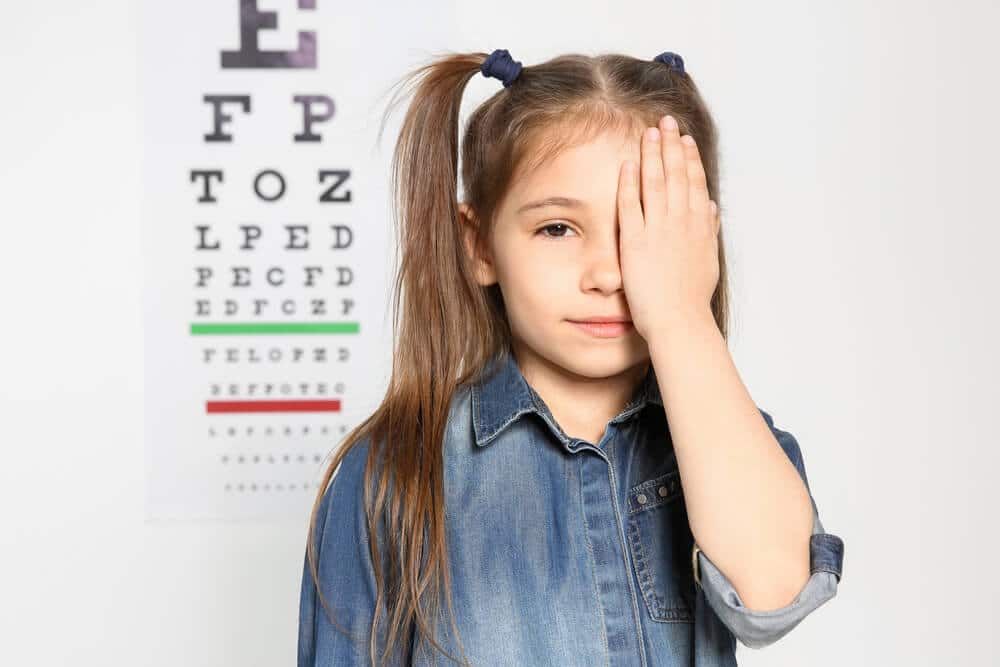
The ability to see plays a major role in your child’s learning and development. With clear vision they constantly discover new things and enjoy enriching experiences. But for many children, myopic vision causes them to fall short of their capabilities. Also, Myopia can even worsen over time. Thankfully, through myopia management at Clarity Vision, your young person gains the support they need to protect their changing eyesight.
What is Myopia?
Myopia, also called nearsightedness, is a type of impaired vision where you see nearby things more clearly than those farther away. In children with myopia, eyesight rapidly worsens. It then stabilizes for most in early adulthood, although many can still experience the condition’s progression in later years. Kids with myopia need corrective lenses, such as eyeglasses or contacts. For some, a medication called Atropine can also help.
The number of myopic children is quickly increasing. In the year 2000, only one quarter of the world’s population experienced nearsightedness. But by 2050, scientists expect half of all people to struggle with myopia.
If your child suffers myopia, without vision correction they cannot see the blackboard at school or other distant objects. Also, this can affect their learning and discovery, even slowing their childhood development. Many young people with nearsightedness suffer symptoms like eye strain, headaches and squinting in an attempt to see far-off things. They also feel more fatigued when trying to use their eyesight to play sports or pursue other activities.
What causes Myopia, Progressive Myopia and High Myopia?
Myopia is a result of several conditions. One example is an elongated eyeball in comparison to the cornea and lens’ ability to focus. In such a case, light rays do not focus on the retina’s surface. Instead, they fall short of the retina. Another cause of myopia relates to the curvature of the cornea or lens, in relation to the eyeball’s length. Children are most at risk for these problems when one or both parents are nearsighted.
Early childhood myopia can become a condition called progressive myopia. This is a more severe type of nearsightedness. It causes rapid deterioration of distant sight, to a point called high myopia.
Besides genetics, other factors related to development of progressive myopia include:
Reading or writing too closely to the eyes
Diet and nutrition
Interference with focusing
Problems with binocularity, eye coordination and integration
Not wearing corrective lenses
Type of visual correction
Computing, texting and other device use
Progressive myopia also makes your child more vulnerable to other eye conditions like retina damage or blindness. But with the support of Clarity Vision’s myopia management program, your child minimizes their risk for myopia progression.
What is Myopia Management?
Myopia management starts with proper diagnosis of your child’s vision problems in a routine eye exam. Clarity Vision then develops an individualized treatment plan designed to meet your child’s specific needs. The overall goal is prevention of myopic progression to help your child maintain their best possible eyesight and avoid bigger problems as they grow.
The three options for myopia management include doing nothing at all, using preventive measures and using specific therapies to minimize vision problem progression. Additionally, doing nothing for your child means their sight will grow progressively worse.
Preventive measures as part of your child’s myopia management include:
Wearing prescription glasses to reduce stress on the eyes
Seeing the eye doctor regularly for eye exams
Managing reading using the “Harmon distance”
Spending nine to 10 hours per week outdoors engaging in physical activities
Eating a balanced diet with fresh fruits and lightly cooked or raw vegetables
Therapeutic measures used in myopia management for your child include:
Orthokeratology, using gas-permeable contact lenses to reshape the cornea
Multifocal contact lenses to enhance retinal focus and stop eye elongation
Bifocal glasses to reduce near vision stress
Eye training to improve focusing and eye-teaming
Atropine medicated eye drops
Helping Your Child through Myopia Management
Every child is unique. So is their vision. If your child experiences nearsightedness or any other eye problem, it is important that they get the support and treatment they need. Start with an eye exam at Clarity Vision today.
For many children, vision correction means simply wearing eyeglasses or contact lenses and seeing their eye care professional regularly. But some kids need extra care. Through myopia management, your nearsighted child can maintain their eyesight and avoid faster progression of their myopic condition.
In a single visit, Clarity Vision’s caring professionals diagnose your young person’s visual needs and address any symptoms they suffer. At the same time, you receive answers to your questions about their eye health. Also, each Clarity Vision location even offers a broad range of kid-sized glasses and contact lenses for convenient fulfillment of their prescription.
Schedule your child’s eye exam with your closest Clarity Vision location today. Lastly, these six locations in North Carolina and Virginia providing myopia management include Apex, Clayton, Smithfield, Williamston, Holly Springs, or Suffolk VA.


Insurances We Accept
Call your local Clarity Vision office to make sure your preferred location accepts your insurance as acceptance can vary per office


Contact Us
Let’s talk!
© 2026 Clarity Vision - All Rights Reserved
Accessibility Statement - Privacy Policy - Sitemap
Accessibility Statement - Privacy Policy - Sitemap
powered by 
