

Optical Prescription FAQs: Ask Your Holly Springs Optometrist

Optical Prescription FAQs: Ask Your Holly Springs Optometrist

Optical Prescription FAQs: Ask Your Holly Springs Optometrist

Optical Prescription FAQs: Ask Your Holly Springs Optometrist

Optical Prescription FAQs: Ask Your Holly Springs Optometrist

Optical Prescription FAQs: Ask Your Holly Springs Optometrist

Optical Prescription FAQs: Ask Your Holly Springs Optometrist

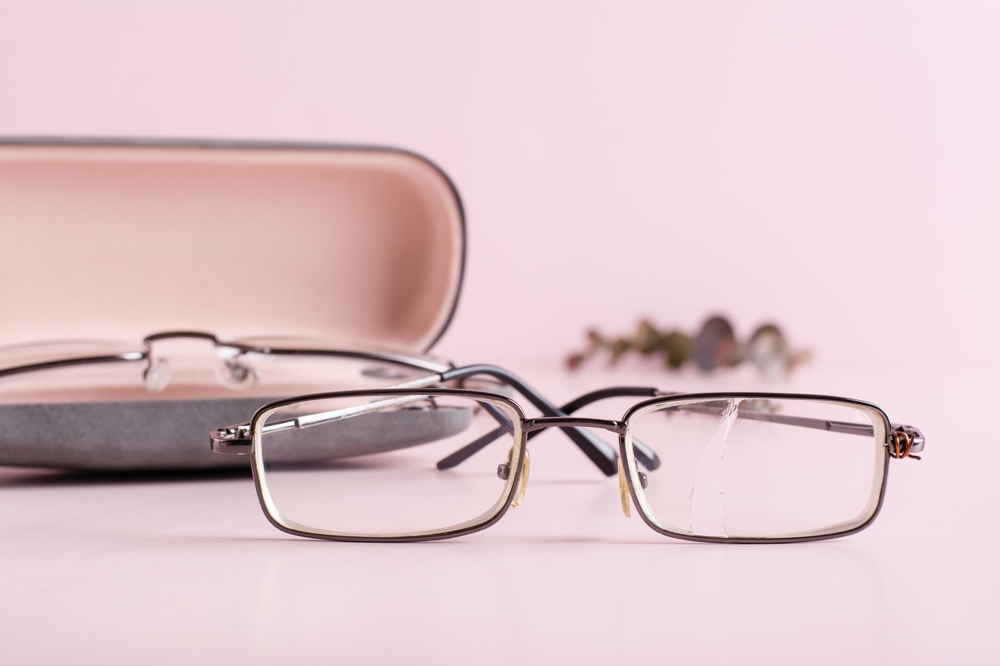
Understanding your optical prescription can make it easier to choose the right glasses, contacts, and lens options for your daily routine. At Clarity Vision in Holly Springs, NC, our optometrists help patients understand what their prescription means and how it affects clear, comfortable vision.
What Does An Optical Prescription Measure?
An optical prescription measures how your eyes focus light. If light does not focus clearly on the retina, you may experience blurry vision, eyestrain, headaches, or difficulty seeing at certain distances. Your prescription helps correct refractive errors such as nearsightedness, farsightedness, and astigmatism.
During an eye exam in Holly Springs, your optometrist checks your visual clarity, eye focusing ability, and overall eye health. The results help determine whether glasses, contact lenses, or an updated prescription may improve your vision.
What Do The Numbers On My Prescription Mean?
Many patients look at their optical prescription and see a mix of numbers and abbreviations. Common terms include sphere, cylinder, axis, and add power. These details help your lenses correct your specific vision needs.
A stronger number does not always mean your eyes are unhealthy. It simply shows the amount of correction needed for clear vision. Your Holly Springs optometrist can explain your prescription in plain language so you understand what each part means.
How Often Should I Update My Optical Prescription?
Your optical prescription can change over time, even if you do not notice major vision changes. Adults should generally schedule annual eye exams to make sure their prescription is current and their eyes are healthy.
You may need an updated prescription if you notice:
Blurry vision at near or far distances
Frequent headaches or eye fatigue
Squinting to see clearly
Trouble driving at night
Difficulty reading screens or small print
Discomfort with current glasses or contacts
If any of these symptoms sound familiar, an eye exam in Holly Springs, NC can help determine whether your prescription needs to be adjusted.
Are Glasses And Contact Lens Prescriptions The Same?
Glasses and contact lens prescriptions are not the same. Glasses sit in front of the eyes, while contact lenses rest directly on the eye’s surface. Because of this difference, contact lens prescriptions require additional measurements, including lens fit and curvature.
A contact lens exam also helps your optometrist make sure your lenses are comfortable, stable, and safe for your eyes. If you are interested in switching from glasses to contacts, your Holly Springs optometrist can guide you through the fitting process.
Why Does My Prescription Change?
Prescription changes can happen for many reasons, including age, eye strain, health conditions, medication changes, or natural changes in the eyes. Children and teens may experience more frequent changes as their eyes develop, while adults may notice more near vision changes over time. Regular eye exams allow your optometrist to monitor these changes and recommend the right optical prescription for your current needs.
Can The Right Lenses Improve Comfort?
Yes. Your optical prescription is only one part of clear vision. Lens design, coatings, frame fit, and lifestyle needs also matter. Some patients benefit from anti-glare lenses, blue light filtering options, progressive lenses, prescription sunglasses, or specialized lenses for work and hobbies. At Clarity Vision in Holly Springs, NC, we help patients choose eyewear that supports both clear vision and everyday comfort.
See Your Holly Springs Optometrist Today
If your vision feels off, your glasses no longer feel comfortable, or you simply want to understand your optical prescription better, our team is here to help. A comprehensive eye exam gives your optometrist the information needed to update your prescription and recommend eyewear that fits your life.
Schedule your eye exam with Clarity Vision to update your prescription, discuss any vision changes, and find the right eyewear options for your daily needs. Visit our office in Holly Springs, North Carolina, or call (919) 646-2900 today.


Insurances We Accept
Call your local Clarity Vision office to make sure your preferred location accepts your insurance as acceptance can vary per office


Contact Us
Let’s talk!
© 2026 Clarity Vision - All Rights Reserved
Accessibility Statement - Privacy Policy - Sitemap
Accessibility Statement - Privacy Policy - Sitemap
powered by 
