

Testing for Night Blindness: Do You Need an Eye Exam in Holly Springs?

Testing for Night Blindness: Do You Need an Eye Exam in Holly Springs?

Testing for Night Blindness: Do You Need an Eye Exam in Holly Springs?

Testing for Night Blindness: Do You Need an Eye Exam in Holly Springs?

Testing for Night Blindness: Do You Need an Eye Exam in Holly Springs?

Testing for Night Blindness: Do You Need an Eye Exam in Holly Springs?

Testing for Night Blindness: Do You Need an Eye Exam in Holly Springs?

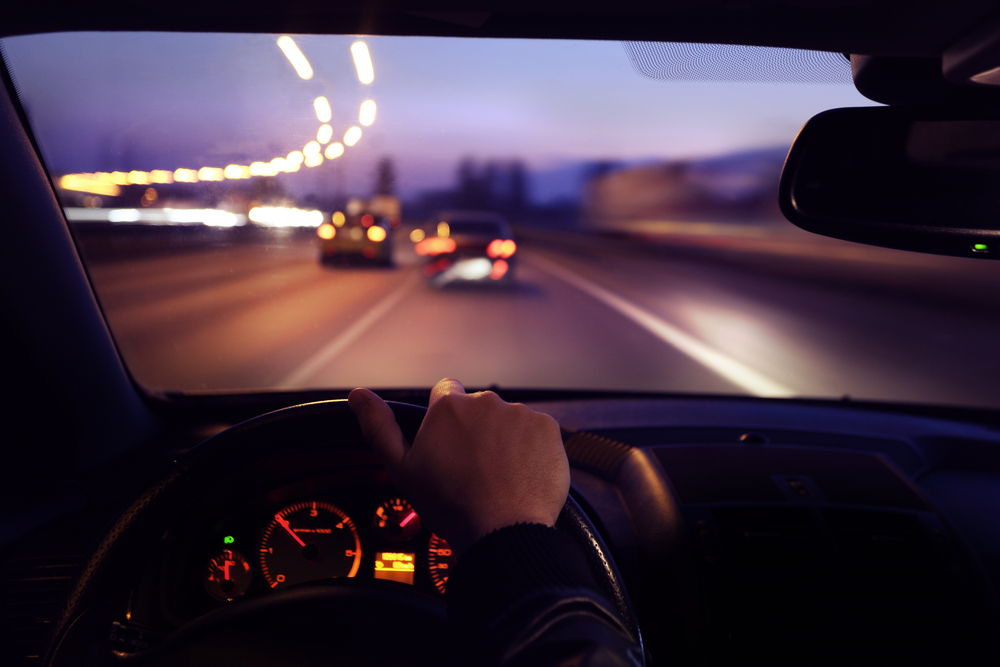
Night blindness, also called nyctalopia, makes it harder to see in dim lighting, at dusk, or while driving at night. It does not mean you are completely blind in the dark, but it can make everyday tasks feel more difficult and less safe. If you notice trouble adjusting from bright light to low light, it may be time to schedule an eye exam in Holly Springs, NC.
Common Signs You May Notice
Night vision problems can appear gradually, which makes them easy to overlook. You may find yourself avoiding nighttime driving, needing extra light to read, or feeling unsure in dark rooms or parking lots.
Signs of possible night blindness include:
Difficulty seeing road signs or lane markings at night
Trouble adjusting when moving from bright to dim spaces
Increased glare or halos around headlights
Needing more light than usual for everyday tasks
Bumping into objects in low-light areas
What Causes Night Blindness?
Night blindness can happen for several reasons. Sometimes it is related to a simple vision prescription change. In other cases, it may be connected to cataracts, dry eye, retinal conditions, vitamin A deficiency, or other eye health concerns.
Because the cause is not always obvious, a comprehensive eye exam is important. Testing helps our eye doctor look beyond the symptom and understand whether the issue is related to the front of the eye, the lens, the retina, or the way your eyes are focusing.
How an Eye Exam Helps
During an eye exam, our eye doctor can check your vision, update your prescription if needed, and evaluate the overall health of your eyes. Depending on your symptoms, testing may include a retinal evaluation, eye pressure check, pupil response testing, and a review of how well your eyes function in different lighting conditions.
If nighttime glare is connected to cataracts or another eye condition, early detection gives you more options for monitoring and care. If your glasses or contact lens prescription is outdated, a new prescription may help improve clarity and comfort.
Why Night Driving Problems Should Not Be Ignored
Struggling to see at night can affect your confidence, reaction time, and safety on the road. Headlight glare, poor contrast, and reduced depth perception can make driving more stressful, especially in the rain or unfamiliar areas.
Even if your daytime vision seems normal, night vision changes are still worth discussing with an eye doctor. A comprehensive exam can help identify whether the issue is minor, progressive, or something that needs closer attention.
Take the Next Step for Clearer Night Vision
You should schedule an eye exam if night vision problems are new, worsening, or interfering with your routine. It is also important to seek care if you notice flashes of light, sudden vision loss, eye pain, or a major increase in glare.
Schedule an eye exam with Clarity Vision to discuss night blindness symptoms and learn more about treatment options. Visit our office in Holly Springs, North Carolina, or call (919) 646-2900 today.


Insurances We Accept
Call your local Clarity Vision office to make sure your preferred location accepts your insurance as acceptance can vary per office


Contact Us
Let’s talk!
© 2026 Clarity Vision - All Rights Reserved
Accessibility Statement - Privacy Policy - Sitemap
Accessibility Statement - Privacy Policy - Sitemap
powered by 
