

What Does Retinal Imaging Tell the Eye Doctor?

What Does Retinal Imaging Tell the Eye Doctor?

What Does Retinal Imaging Tell the Eye Doctor?

What Does Retinal Imaging Tell the Eye Doctor?

What Does Retinal Imaging Tell the Eye Doctor?

What Does Retinal Imaging Tell the Eye Doctor?

What Does Retinal Imaging Tell the Eye Doctor?

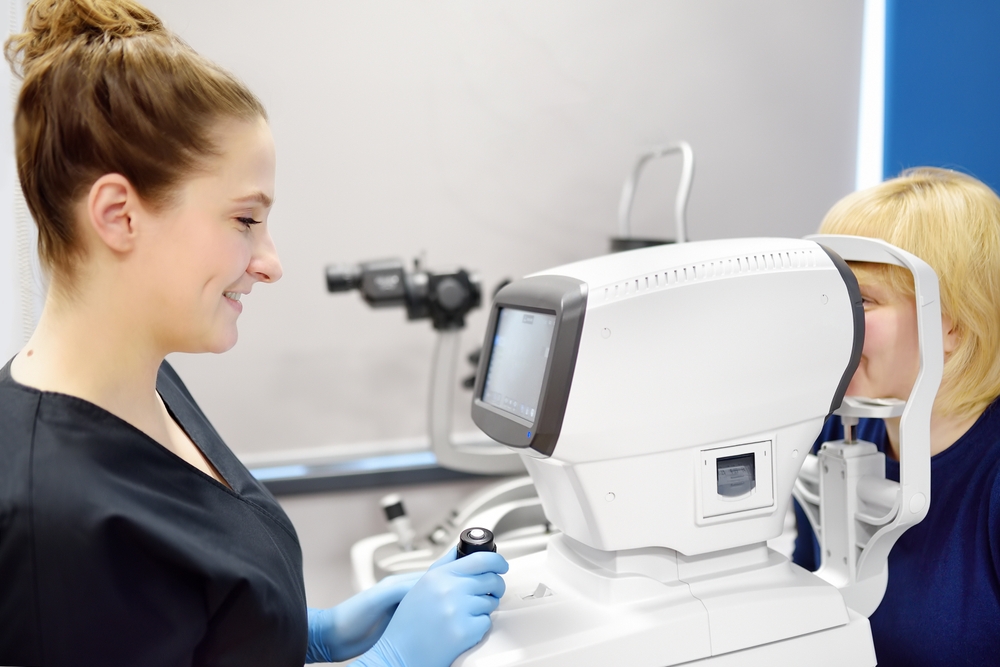
Retinal imaging gives your eye doctor a clearer look at the back of your eye, including the retina, optic nerve, and blood vessels. During a comprehensive eye exam, this technology helps us evaluate more than just how clearly you see. It gives us important information about your overall eye health and can help detect early signs of conditions that may not cause symptoms right away.
What Is the Retina?
The retina is the light-sensitive tissue at the back of the eye. It plays a major role in how your eye sends visual information to the brain. Because the retina contains blood vessels and nerve tissue, changes in this area can sometimes reveal early signs of eye disease or health-related concerns. Retinal imaging for an eye exam in Holly Springs, NC can be a valuable part of routine preventive eye care, especially when there is a family history of eye disease, diabetes, high blood pressure, or changes in vision.
What Retinal Imaging Can Show
Retinal imaging allows the eye doctor to capture detailed images of the inside of the eye. These images can help us look for changes that may be difficult to see during a standard exam alone.
Retinal imaging may help identify signs of:
Diabetic eye disease
Glaucoma-related optic nerve changes
Macular degeneration
Retinal tears or thinning
High blood pressure changes in the eye
Inflammation or unusual retinal findings
These images also create a record we can compare over time. Even small changes may be easier to track when we have previous images for reference.
How It Helps with Early Detection
Many serious eye conditions develop slowly. In the early stages, you may not notice pain, blurry vision, or other obvious symptoms. Retinal imaging helps your eye doctor detect warning signs earlier, which can support quicker diagnosis, monitoring, and treatment planning when needed.
Early detection is especially important for conditions like glaucoma and diabetic retinopathy, where vision loss can occur before a person realizes something is wrong.
What to Expect During Retinal Imaging
Retinal imaging is typically quick and comfortable. The camera captures images of the back of the eye, often without touching the eye. Depending on your exam and eye health needs, dilation may still be recommended so the doctor can complete a thorough evaluation.
Your eye doctor will review the images and explain any findings in a way that is easy to understand. If something needs closer monitoring, they may recommend follow-up imaging, additional testing, or a treatment plan.
Is Retinal Imaging Only for People with Eye Problems?
No. Retinal imaging can be useful even if your vision seems normal. It gives your eye doctor a baseline view of your retinal health and may reveal changes before they affect your eyesight. For many patients, it is part of a proactive approach to protecting long-term vision.
Schedule your next eye exam with Clarity Vision to learn how retinal imaging can support your long-term eye health. Visit our office in Holly Springs, North Carolina, or call (919) 737-7200 to book an appointment today.


Insurances We Accept
Call your local Clarity Vision office to make sure your preferred location accepts your insurance as acceptance can vary per office


Contact Us
Let’s talk!
© 2026 Clarity Vision - All Rights Reserved
Accessibility Statement - Privacy Policy - Sitemap
Accessibility Statement - Privacy Policy - Sitemap
powered by 
