

What Is The Most Common Cause Of Low Vision?

What Is The Most Common Cause Of Low Vision?

What Is The Most Common Cause Of Low Vision?

What Is The Most Common Cause Of Low Vision?

What Is The Most Common Cause Of Low Vision?

What Is The Most Common Cause Of Low Vision?

What Is The Most Common Cause Of Low Vision?

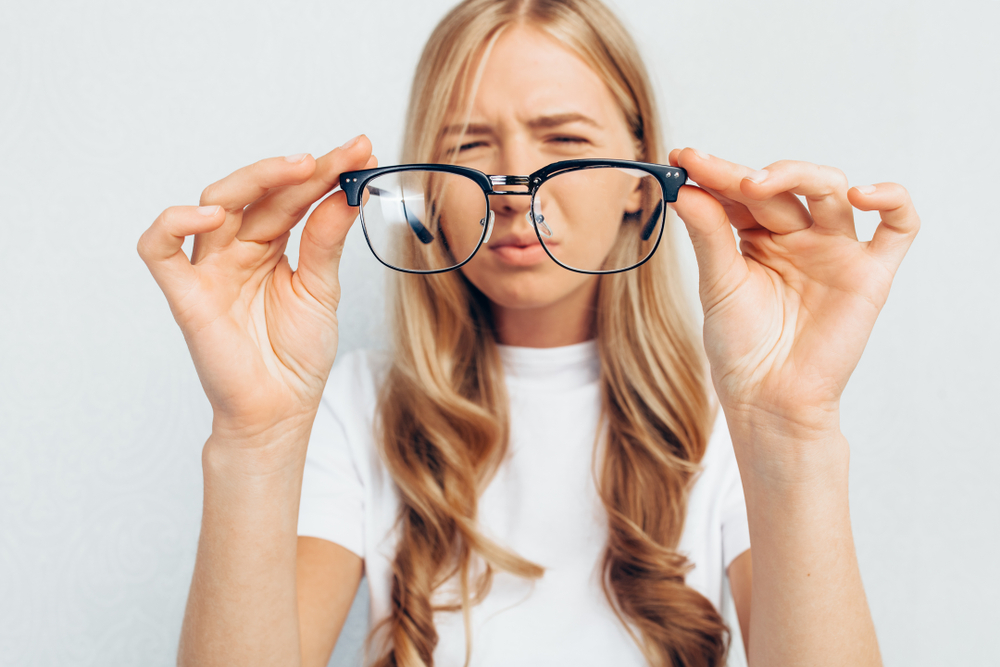
Low vision is vision loss that cannot be fully corrected with glasses, contact lenses, medication, or surgery. For many adults, the most common cause of low vision is age-related macular degeneration, often called AMD. At Clarity Vision in Suffolk, VA, we help patients understand changes in their vision and take steps to protect their eye health.
What Is Low Vision?
Low vision is different from needing a stronger glasses prescription. It means everyday tasks like reading, recognizing faces, driving, cooking, or seeing fine details become difficult even with corrective lenses.
Some people notice a blurry or dark spot in the center of their vision. Others may have trouble with contrast, glare, or seeing in dim lighting. Because low vision can develop gradually, routine eye exams are important for patients in Suffolk, VA, especially as they get older.
The Most Common Cause Of Low Vision
Age-related macular degeneration is one of the leading causes of low vision, especially in adults over 50. AMD affects the macula, the central part of the retina responsible for sharp, detailed vision. When the macula is damaged, central vision can become blurry, distorted, or missing.
AMD does not usually cause complete blindness, but it can make daily tasks much harder. Patients may still have side vision, but central vision may be reduced enough to affect independence and quality of life.
Other Conditions That Can Cause Low Vision
While AMD is a common cause, low vision can also be related to other eye diseases and health conditions. A comprehensive eye exam can help identify what is affecting your vision and whether treatment, monitoring, or low vision support may be needed.
Common causes of low vision include:
Diabetic eye disease
Glaucoma
Cataracts
Retinal disease
Eye injuries
Advanced dry eye complications
Uncorrected or changing vision problems
If you live in Suffolk, VA and notice that your vision is changing, it is important not to assume it is just part of aging.
Signs You Should Schedule An Eye Exam
Low vision symptoms can be subtle at first. You may notice that reading takes more effort, straight lines appear wavy, or faces are harder to recognize from a distance. Some patients also struggle with glare while driving or need brighter light to complete close-up tasks.
Because AMD and other eye conditions may progress without obvious pain, an eye exam allows your optometrist to evaluate the retina, check for disease, and recommend the next steps based on your needs.
How An Optometrist Can Help
At Clarity Vision in Suffolk, VA, an eye exam can help determine whether low vision symptoms are related to AMD, cataracts, glaucoma, diabetic eye disease, or another condition. Early detection is important because some causes of vision loss can be managed more effectively when found sooner.
Your optometrist may review your medical history, check your visual clarity, evaluate the retina, and discuss any changes you have noticed. If low vision is present, the goal is to help you make the most of your remaining vision and protect long-term eye health.
Protecting Your Vision As You Age
Not every case of low vision is preventable, but healthy habits and regular eye care can make a meaningful difference. Wearing UV protection, managing diabetes or high blood pressure, avoiding smoking, eating a nutrient-rich diet, and keeping up with routine eye exams may help lower your risk of serious vision changes.
If you’re experiencing symptoms of low vision, schedule an eye exam with Clarity Vision to learn more about treatment options. Visit our office in Suffolk, Virginia, or call (757) 638-2015 to book an appointment.


Insurances We Accept
Call your local Clarity Vision office to make sure your preferred location accepts your insurance as acceptance can vary per office


Contact Us
Let’s talk!
© 2026 Clarity Vision - All Rights Reserved
Accessibility Statement - Privacy Policy - Sitemap
Accessibility Statement - Privacy Policy - Sitemap
powered by 
